
How to Choose a Vacuum Cleaner
Choosing a vacuum cleaner depends on the type of cleaning you do, the surfaces in your home and how much convenience you want. Some people prefer a lightweight cordless vacuum cleaner for everyday cleaning, while others want a robot vacuum cleaner that can clean automatically. Before you buy, consider the type of vacuum cleaner you need, your budget, the surfaces you clean and which features are important to you. PriceInspector can also help you compare current prices and offers from different retailers before you buy.
| Your situation | Best type | Trade-off |
|---|---|---|
| Stairs, quick cleans, small spaces | Cordless | Limited by battery runtime |
| Regular upkeep with little effort | Robot | Doesn’t handle stairs or detail work and may need the area prepared |
| Large home, thick carpet, tough jobs | Traditional corded | Cord and bulk, harder to carry |
| A first vacuum or a tight budget | Under $200 | Suction, filtration and attachments vary a lot, so check the specs |
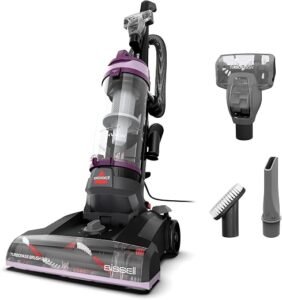
Consider Your Floors and Cleaning Needs
Start by thinking about how you normally clean your home, which surfaces you need to vacuum and how much you want the process to be automated. Hard floors, carpets and rugs can have different cleaning requirements. If you have a combination of surfaces, look for a model designed to work effectively across the types of flooring in your home. If you have stairs, furniture or other difficult-to-reach areas, a lightweight and maneuverable cordless vacuum can make cleaning easier. Cordless models can also be useful for quick everyday cleaning and areas such as cars where a power cord would be inconvenient. If you regularly deal with pet hair, look for a vacuum with suitable brushes or attachments and check whether it is designed to work effectively on the surfaces you need to clean. For people who want to minimize manual cleaning, a robot vacuum can be particularly convenient for maintaining floors regularly. However, robot vacuums may not replace a conventional vacuum for stairs, furniture and other areas that require more targeted cleaning.
Think About Convenience vs. Performance
Different vacuum cleaners involve different trade-offs between convenience and cleaning performance. Cordless models are easy to move around and can make everyday cleaning more convenient, but battery runtime can limit how long you can clean before recharging. Robot vacuums offer a high level of automation, but they may not be suitable for every surface or cleaning task and can require some preparation of the area before cleaning. More traditional vacuum cleaners can provide a straightforward solution for larger or more demanding cleaning jobs. When comparing models, think about whether you value maximum convenience, longer cleaning sessions, stronger performance, or a combination of these factors.
Which Features Matter?
Once you know which type of vacuum cleaner fits your needs, compare the features that are most relevant to your routine. Some features worth considering include:
-
- Battery runtime: Important for cordless models, particularly if you need to clean a larger area.
- Weight: A lighter vacuum can be easier to carry, especially when cleaning stairs or reaching higher areas.
- Suction and power settings: Different settings can help balance cleaning performance and battery life.
- Filtration: Useful to consider if dust and fine particles are an important concern in your home.
- Attachments: Different tools can make it easier to clean furniture, stairs, corners and other surfaces.
- Dustbin capacity: A larger capacity means you may need to empty the vacuum less frequently.
- Mapping and navigation: Particularly important for robot vacuums that need to navigate your home efficiently.
- Automatic scheduling: Useful if you want a robot vacuum to clean at regular times without starting it manually.
- Automatic emptying: Some robot vacuum models can empty their dustbin into a larger collection container at the charging station.
You do not necessarily need every feature. Choosing a vacuum that fits your home and cleaning routine can be more useful than paying more for features you rarely use.
What does it cost to own?
Add up what you’ll replace each year (filters, brushes, bags, batteries) and divide the total of the parts by how many years you expect to use it. For example, if a battery costs $60 and you expect it to last three years, that’s $20 a year on top of the purchase price. These are example numbers, so check the real price of parts for the model before you buy. A cheaper machine with expensive or hard-to-find parts can cost more over time than a pricier one with cheap, widely available parts.
Choose the Right Type of Vacuum Cleaner
Once you have considered your cleaning needs, preferred features and ongoing costs, you can narrow down the type of vacuum cleaner that makes the most sense for your home.
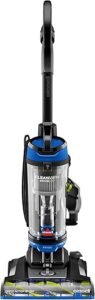
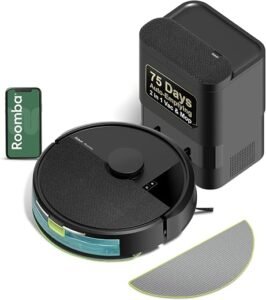
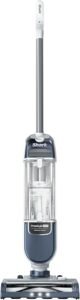
Vacuum Cleaners Under $200
If you want a capable vacuum cleaner without spending too much, there are many options available for under $200. This can be a good starting point for everyday cleaning if you want to balance price with useful features. Depending on the model, you may find options with different suction settings, attachments, filtration systems and cleaning modes. Consider which features you actually need rather than paying more for options you are unlikely to use.
Cordless Vacuum Cleaners
Cordless vacuum cleaners are designed for convenient cleaning without being connected to a power outlet. They can be particularly useful for quick everyday cleaning, stairs, cars and areas where a power cord would be inconvenient. When comparing cordless models, pay attention to battery runtime, charging time, weight and the available attachments. Some models offer different power modes, but higher-power settings can reduce battery life.
Robot Vacuum Cleaners
Robot vacuum cleaners can clean floors automatically, making them an option for people who want to reduce the amount of time spent vacuuming manually. Depending on the model, features can include scheduled cleaning, mapping, automatic navigation, app controls and automatic return to the charging dock. More advanced models may also include mopping or automatic emptying.
Who should skip it
- Cordless: skip it if you have a large home or thick carpets and want long cleaning sessions, because the battery runs down in higher power modes.
- Robot: skip it if you have lots of stairs, cluttered floors or want a deep clean, because it works best as a regular maintainer, not a replacement.
- Under $200: don’t assume cheap means the best value if replacement filters, brushes or batteries are expensive or hard to find.
Quick guide: which vacuum suits your home?
Cordless: light and easy to grab.
See cordless → Hands-off upkeep
Robot: scheduled cleaning that keeps floors tidy.
See robot vacuums → Keeping costs low
Budget models for everyday cleaning.
See models under $200 → Large home or thick carpet
Traditional corded models give the most power for the money.
See all vacuum cleaners → Not sure yet
Browse and compare every type side by side.
See all vacuum cleaners →
Compare Prices Before You Buy
Once you have decided which type of vacuum cleaner and which features you need, compare prices before making your purchase. The same model can be available from multiple retailers at different prices and offers can change over time. PriceInspector lets you compare current offers and inspect available prices before you buy. Prices and availability may change, so check the current offers before buying.